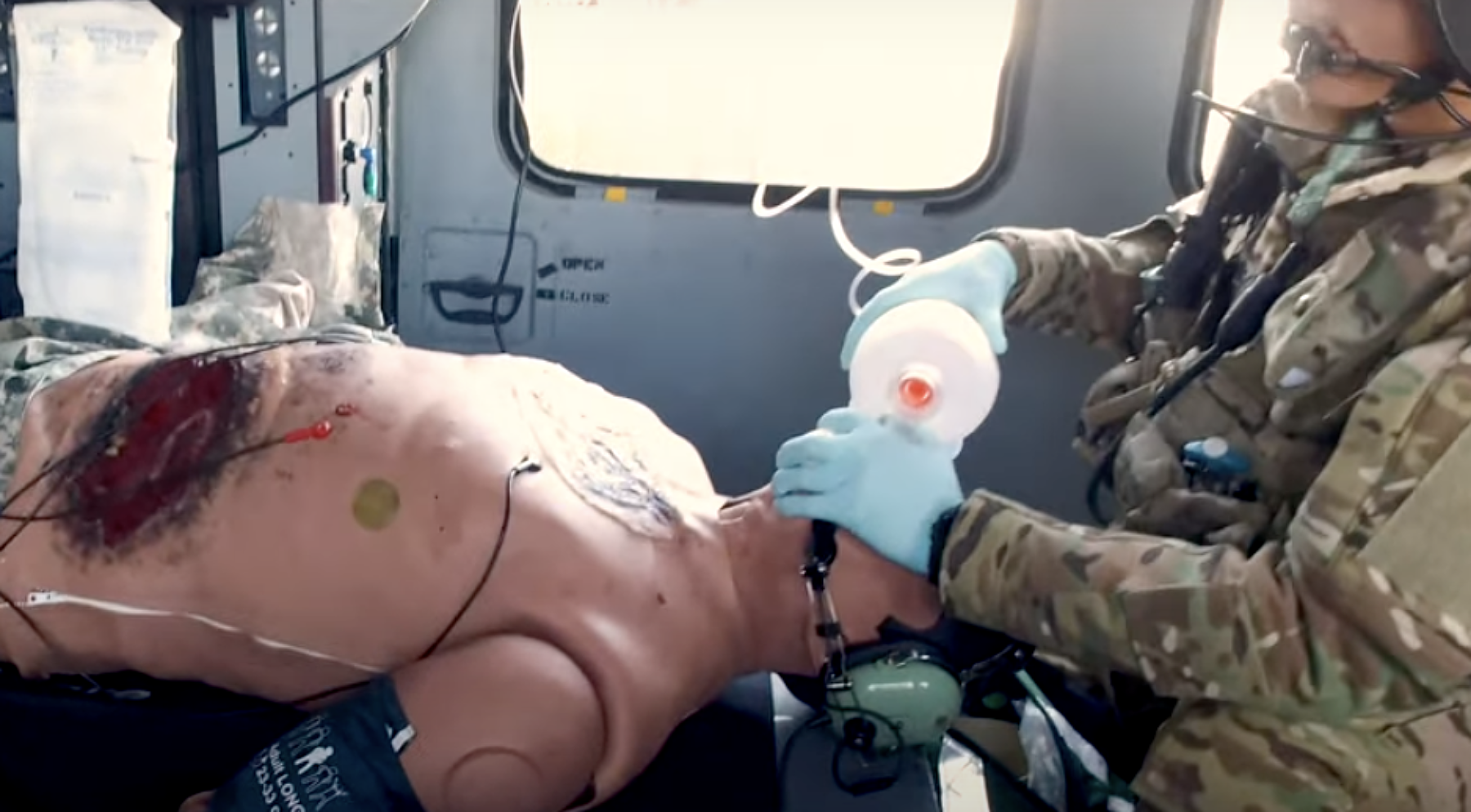
Our shared mission - 100% Operational Readiness
The MED-CREST program is the single solution for both civilian licensure and military readiness. We eliminate the administrative risk of non-compliant FP-C or expired National Registry certifications by integrating all critical requirements—including NREMT renewal, FP-C critical care designation, flight hour tracking, and mandatory Table 8 validation—ensuring every 68W F2 asset maintains full RL1 status.
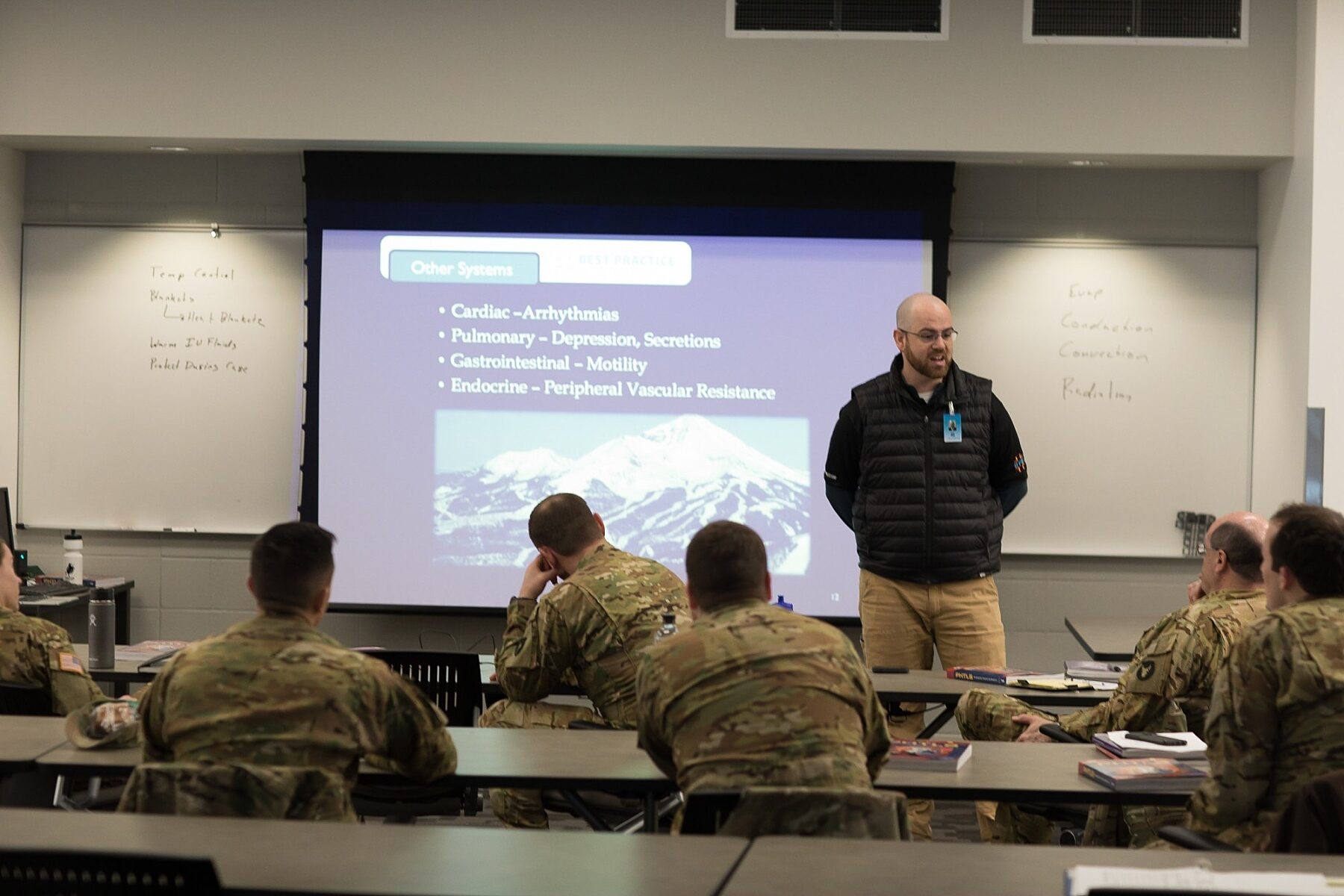
Eliminate the TDY Tax: Readiness Delivered On-Site
Your unit budget and collective training time are finite. We remove the logistical and financial drain of sending personnel TDY for recertification. MED-CREST is organically self-contained and delivered directly on your flight line, maximizing unit cohesion, protecting your training calendar, and reducing standard training costs by more than half.
Remove the tx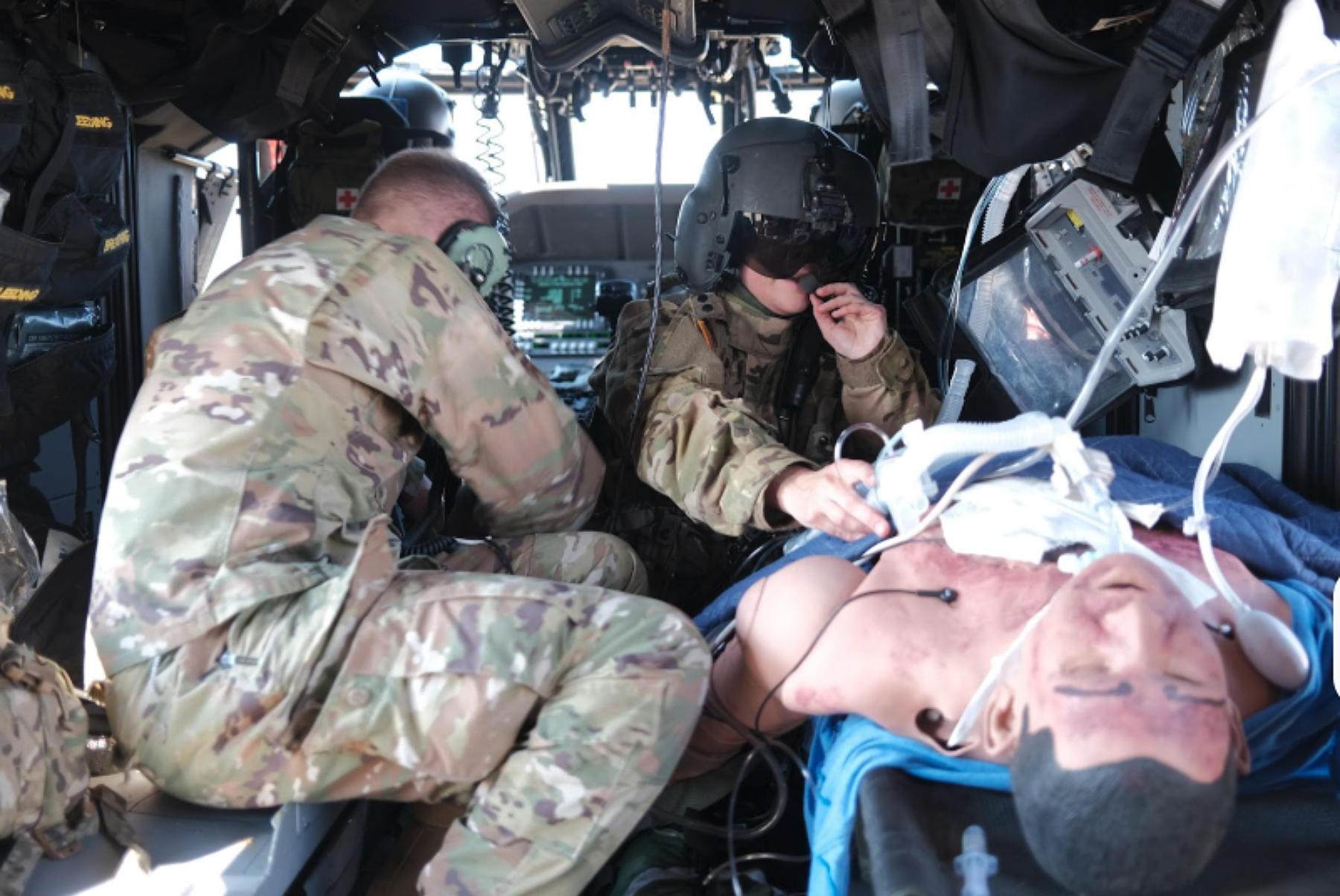
Veteran Cadre, Uncompromised Standards
Our curriculum was built and is delivered by a cadre of retired, combat-deployed veterans and highly experienced civilian clinicians. This synthesis guarantees current best practices are taught by instructors who speak the language of your unit, understand the operational constraints of the mission, and ensure training is relevant, trusted, and immediately usable in an austere environment.
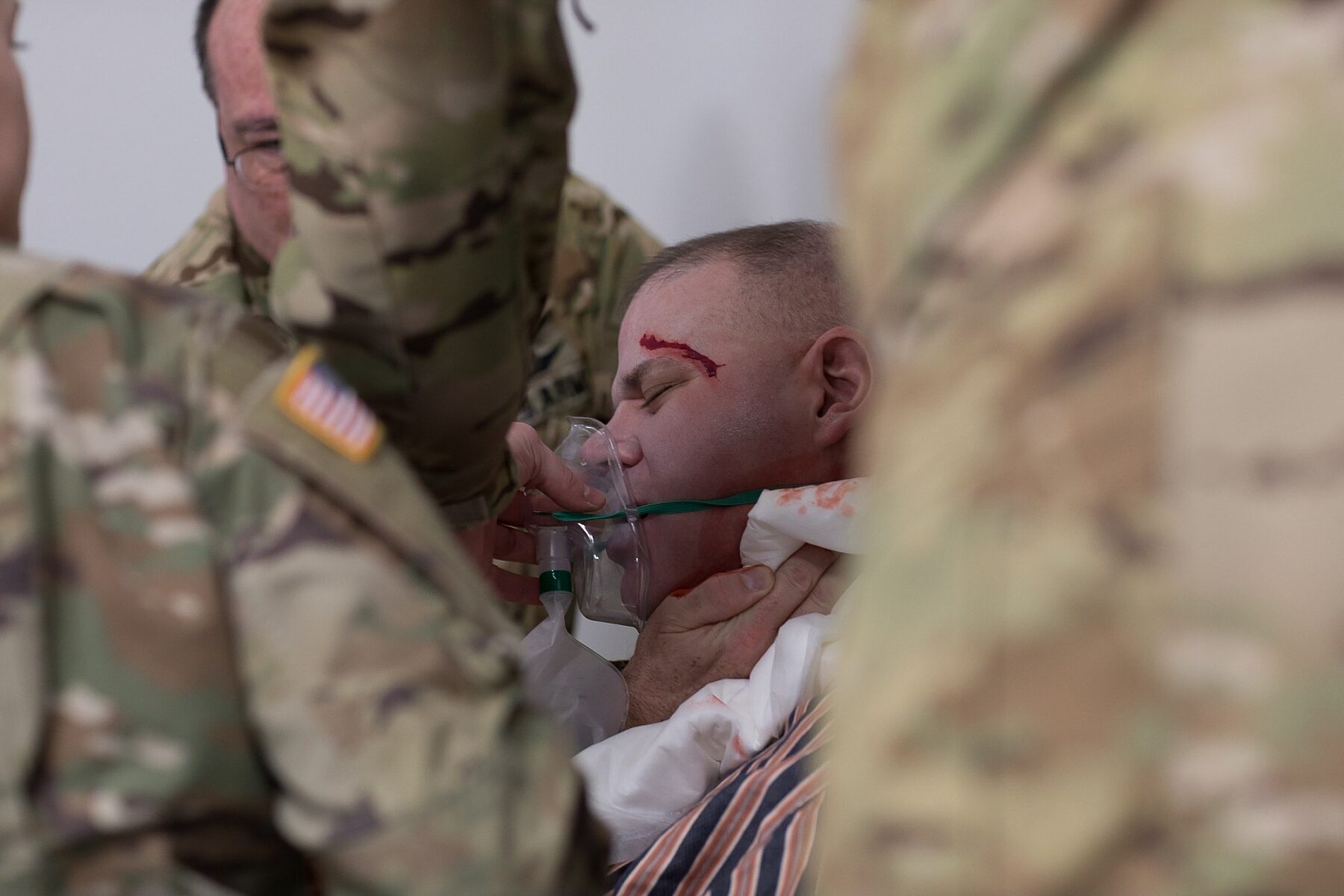
Modular and Mobile
MED-CREST phases can be arranged to meet each unit's specific training schedules, readiness, and pre-deployment needs.
- Weekend programs fit into an annual schedule
- Complete Annual Training 14-day program
- Customized scheduling
This two-day 16 contact hour phase is designed to meet the AHA requirements for ACLS, BLS, and PALS certification renewals. The resuscitation content is enhanced to specifically prepare the learners with a greater depth and breadth of resuscitation algorithms in alignment with the U.S. Army MEDEVAC Critical Care Flight Paramedic Standard Medical Operating Guidelines (SMOG) to include a greater focus on enhanced skills integration and application of successful resuscitation team crew resource management (CRM). High fidelity simulations designed to meet the learner at their scope of practice and appropriate for their clinical setting will be integrated with AHA certification standards.
This three-day 24 contact hour phase is designed to fulfill the FP-C renewal requirement for IBSC BCCTPC Approved hours and function as a gap assessment. This gap assessment will guide customized critical care content in the follow-on Integrated Knowledge and Skills Phase.
Included in this Phase is an 8-hour PHTLS renewal with specific focus on depth and breadth of trauma care and resuscitation in alignment with the U.S. Army MEDEVAC Critical Care Flight Paramedic Standard Medical Operating Guidelines (SMOG) to include a greater focus on enhanced assessment and skills crew resource management (CRM).
This four-day 32-hour content phase is customized to the unit’s needs as determined by the gap assessment occurring in the accredited Fundamentals Phase and in consultation with the Individual’s Training and Readiness NCO and Medical Director.
Content included in this phase will be delivered in the best format for the topic - classroom presentations, small group skills sessions, and simulations - will provide the learner with a greater depth and breadth of knowledge and skills, including but not limited to the following topics:
Airway Management to include assessment for predictors of difficult airway with the HEAVEN and LEMONs assessment, RSI/DSI, difficult airway, and Plan B (failed) airway algorithms
Post Intubation Management to include ventilator management strategies in alignment with SMOG and ARDSNet protocol, sedation packages, dyssynchrony management, and management of the crashing ventilator patient
Blood products, massive transfusion protocol, TXA administration, and transfusion reactions
Hemodynamic/Invasive line monitoring with focus on set-up, monitoring, troubleshooting, and vasopressor/inotrope selection & administration
Chest tube insertion and management.
Individual Standard Medical Operating Guideline (SMOG) targeted learning & integration
8 hours of Interfacility Transport (IFT) target simulation iterations
This three-day, 24-hour content phase is designed to integrate all content from Phase 3 - Fundamentals and Integrated Knowledge and Skills into clinical practice primarily through multiple team based in-class high-fidelity simulation and to serve as preparatory content leading into Phase V
This two-day 16-hour phase content is designed as a capstone for the 2-week course will integrate knowledge and skills into clinical practice, ideally through POC, in-flight, and patient hand-off iterations as available, using high fidelity simulation for the purposes of preparing the learner for summative evaluations at the discretion of unit leadership.
Simulations will be designed to run in-situ, in the air or on the ground, and case design will align with the standard validation process and standards for each learner, at minimum, to provide a medical and trauma assessment simulation with integrated TCCC principles.
BPM is prepared to limit simulation staff to a single simulation operator/educator for the duration of the simulation should aircraft weight and balance restrictions warrant and to include the addition of in-flight video recording at the discretion of unit leadership.
Each simulation will conclude with a debrief session structured from the best practices and evidence-based education practices to ensure maximum retention of learning. Debrief sessions may be recorded and made available to unit leadership on request.
Unit Commanders
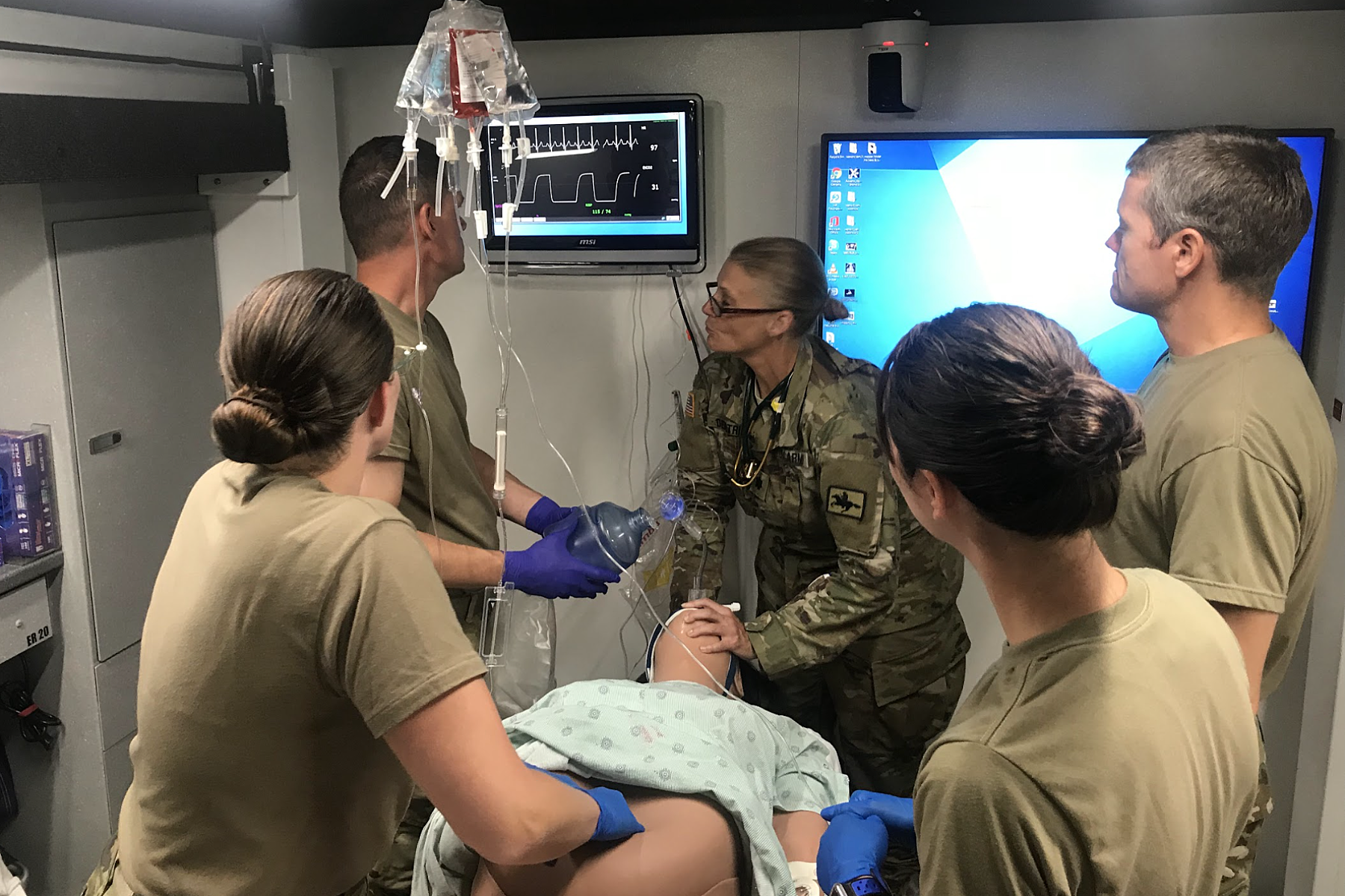
Units often face two choices in maintaining 68WF2 readiness. Send individuals to AMED on TDY, or assemble a group of instructors from an RTI or MYSTC to fit training in around the units' other readiness duties.
A BPM MED-CREST program is taught entirely on-site with the unit. Training together as a team, on equipment the unit manages, with the other members of the unit, substantially improves the durability of the education, not to mention it is about half the cost of TDY.
Readiness NCOs
Reclaim Your Day: We Handle the Administrative Drag
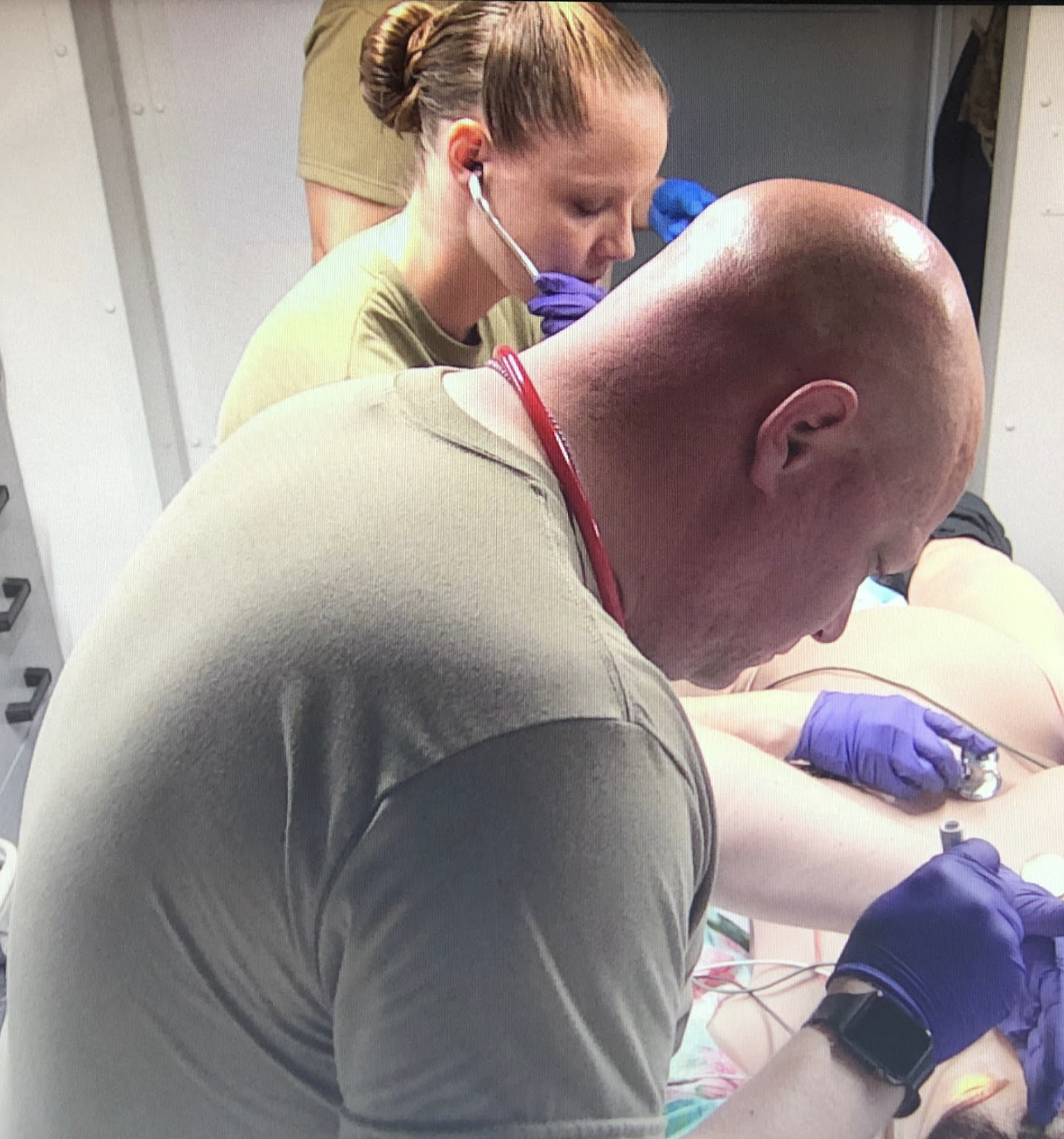
We understand your mission is readiness, not managing external vendor logistics. If paperwork and coordination are tying up your week, let us handle the administrative drag. We act as a seamless extension of your staff, managing all required training documentation, certification logistics, and post-course reporting.
The Result: We simplify compliance together, giving you critical hours back to focus on your core unit responsibilities.
Ready for you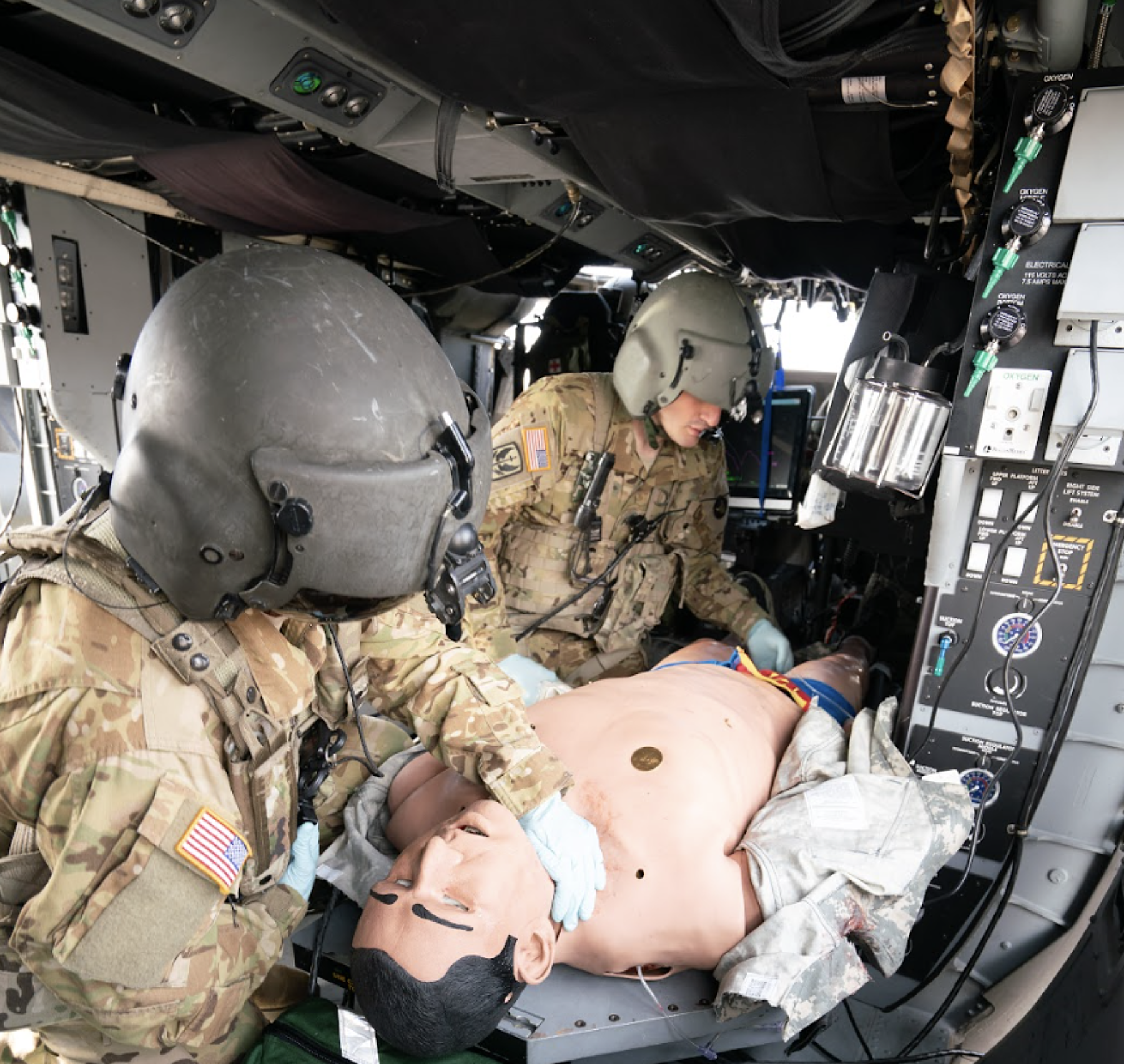
Advanced Tactical Providers
Training That Speaks the Language of Your Unit
You cannot afford generic training. We align with your operational needs because our instructors are veterans and former critical care Flight Paramedics. They understand the unique constraints of the Guard Unit, from austere environments to high operational tempo.
The Result: We jointly ensure training is not just a certification-filler, but a relevant, trusted, and operationally sound investment that your medics immediately trust and utilize.
Past Performance
CO G 1 111TH GSAB
Kansas Army National Guard
68WF2 Recertification and Recurrency Training – 14 Day Course
Award Date: 25 FEB, 2022
Contract No: W912JC22P3015 Paramedic Flight Training
Description: Best Practice Medicine completed this training for CO G 1-111 GSAB in March 2022. This training delivered high fidelity simulation over 14 consecutive days to include AHA PALS and ACLS certification renewals, PHTLS certification renewal, IBSC Accredited FP-C review course for a total of 112 training hours to include FP-C 100-hour certification requirements. This training concluded with TSP Table VIII trauma and medical validation for CO G flight paramedics.
Reference: CPT Serenity Holden, PA Medical Director
DET 1 CO C 1 189TH GSAB
Montana Army National Guard
US Army Critical Care Flight Paramedic Continuing Education
Award Date: 16 JUL, 2020
Contract No: W9124V20P0016
Description: Best Practice Medicine completed this training for DeT-1 CO C 1-189 GSAB in August 2020. This training, of which this proposal is based upon, delivered high fidelity simulation over 14 consecutive days to include AHA PALS and ACLS certification renewals, PHTLS certification renewal, IBSC Accredited FP-C review course for a total of 112 training hours to include FP-C 100-hour certification requirements. This training concluded with TSP Table VIII trauma and medical validation for CO C flight paramedics.
Reference: COL Bronson White, DO. State Flight Surgeon, CO C Medical Director
Wyoming Medical Station
Wyoming Army National Guard
Wyoming Office of Emergency Medical Services
Award Date: 25 JULY, 2019
Description: Best Practice Medicine entered into a contract with the WY ARNG for two days of high-fidelity simulation education services for up to 60 Wyoming Medical Station personnel as well as three days of simulation in conjunction with the Wyoming State EMS Conference
Reference: Lt. Col Andy Gienapp, WY ARNG WMS, Manager - Wy Office of EMS
DET 1 CO C 1 189TH GSAB
Montana Army National Guard
Award Date: 08 MARCH, 2019
Description: Best Practice Medicine entered into a MOU with the MT National Guard to provide Clinical Education Support Services for the unit’s critical care flight paramedics which provide medevac/Dustoff services to DOD during deployments, domestic disaster response and rural / mountain search and rescue services in Montana. This training was delivered over 7 consecutive days to include AHA PALS and ACLS certification renewals, PHTLS certification renewal, IBSC Accredited FP-C review course, and two days of high fidelity and high acuity medical simulations.
Reference: COL Bronson White, DO. State Flight Surgeon, CO C Medical Director
NMC and Simulation
Organically self contained simulation school house
Built for operational life cycles and mission profiles
Joint Excercise Integration Ready
Multi-Mission Adaptability
Other Services
Our Prolonged Field Care (PFC) course is designed to educate medics in providing care in austere, forward environments for extended periods (72-96 hours) while awaiting medical evacuation. The course aims to enhance 68W Medic education and awareness of common medical/trauma issues beyond initial training, establish a foundation in common nursing skills, and support patient care when a provider is unavailable. Best Practice Medicine provides all necessary personnel, equipment, and materials, utilizing high-fidelity simulators for hands-on training.